




Why Clothing Fit Can Be So Frustrating
Most mainstream clothing in the US is designed around narrow assumptions about body shape and proportion. For trans women and transfeminine people, this often leads to garments that technically “fit” but don’t feel right.
Fit challenges can exist at any stage of transition — or without medical transition at all.
Issue: Tightness Across Shoulders or Upper Arms
Many tops that fit through the torso may feel restrictive across the shoulders or arms.
What can help:
-
Stretch fabrics with spandex or elastane
-
Relaxed or dropped shoulder seams
-
Raglan or dolman sleeve styles
-
Layering with soft tanks
Comfort is not a compromise — it’s a human right.
Issue: Bust Fit Feels Awkward or Inconsistent
Some garments may gape, flatten, or sit strangely at the chest.
What can help:
-
Higher necklines
-
Ruched or gathered fabric
-
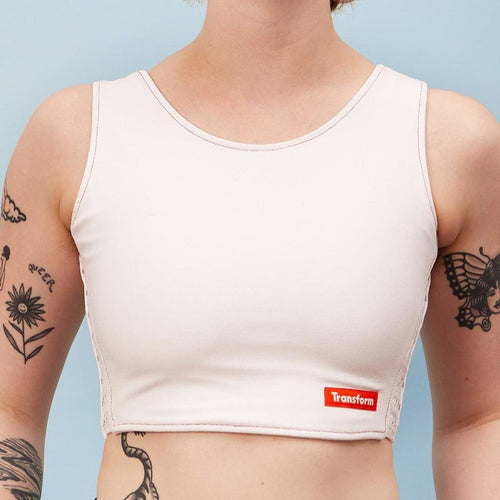
Soft lining or gentle compression
-
Layering pieces that create visual balance
Issue: Waist and Hip Proportions Don’t Line Up
Many designs assume a specific hip-to-waist ratio that doesn’t reflect many trans bodies.
What can help:
-
A-line or gently flared cuts
-
Wrap styles
-
Elastic or adjustable waists
Movement and drape often work better than rigidity.
Issue: Front Coverage or Bulge Dysphoria
This is one of the most common concerns, particularly in swimwear.
What can help:
-
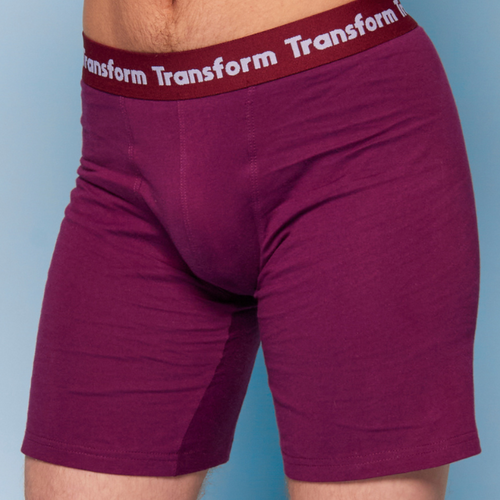
Double-layered or firmer front panels
-
Longer-line tops
-
Lightly padded tankini styles
You never owe anyone a flat silhouette.
Issue: Rise or Length Feels Off
Bottoms may feel too short in the rise or awkward through the leg.
What can help:
-
Mid-rise or high-rise designs
-
Stretch materials
-
Longer leg lengths
-
Prioritizing rise measurement over size labels
Fit is about how something feels when you move.
Emotional Fit Is Real Fit
A garment can technically fit — and still increase dysphoria.
If something makes you feel exposed, tense, or self-conscious, it’s okay to choose something else. Clothing is allowed to support your nervous system, not challenge it.
A Compassionate Closing
Trans women are not difficult to dress. Clothing systems simply weren’t designed with trans bodies in mind.
Seeking comfort, coverage, and confidence is not insecurity — it’s self-respect.


