

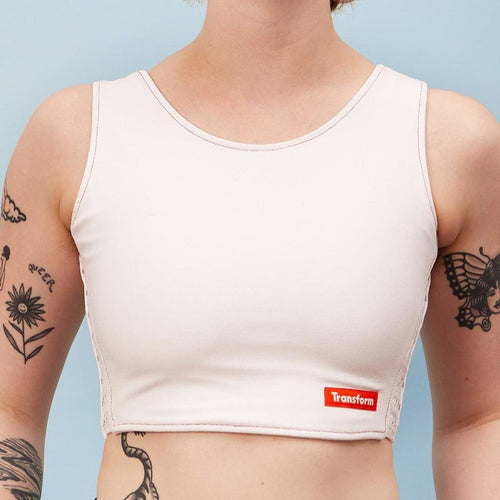
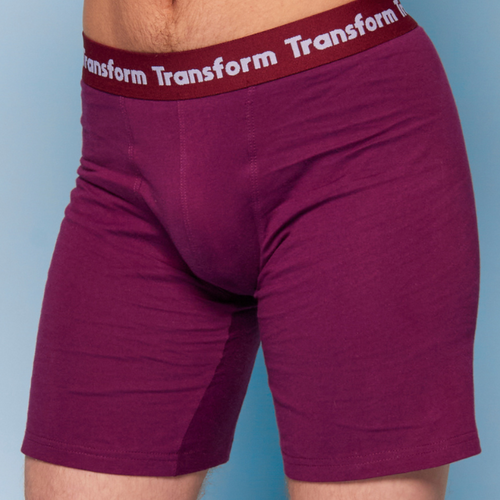




Chest binding involves compressing the chest using a garment designed specifically for this purpose. For many trans masculine people, nonbinary people and others experiencing chest dysphoria, binding can help create a flatter chest profile and improve comfort in everyday clothing.
Like any compression garment, binders should be worn responsibly and in the correct size. Understanding basic safety principles can help reduce the likelihood of discomfort.
If you are new to binding, our Complete Guide to Chest Binding explains how binders work and how to choose the right one.
Practical Safety Guidance for Binding
Common safety guidance includes:
-
wearing a binder for around eight hours at a time or less
-
removing the binder before sleeping
-
taking breaks from binding where possible
-
choosing a binder that fits correctly
Listening to your body is important. If binding becomes uncomfortable, removing the binder and allowing your body to rest may help.
Signs a Binder May Be Too Tight
Possible signs that a binder may not fit correctly include:
-
pain or discomfort in the chest or ribs
-
difficulty breathing
-
skin irritation
-
pressure marks that do not fade quickly
If you experience these symptoms, removing the binder and reassessing the size may help.
Our Chest Binder Size Guide explains how to measure and select the correct binder size.
Exercise and Binding
Exercise while binding is a question we hear often — and the answer depends on how your binder is built.
The traditional advice to avoid exercise in a binder was written for binders that use rigid internal panels. Those panels restrict your ribcage from expanding when you breathe hard — which makes physical activity genuinely difficult. That advice does not apply to Transform binders.
All Transform binders use layered compression fabric with no rigid internal paneling, which means your ribcage can still expand naturally during exercise. If your binder fits correctly and feels comfortable and supportive, you can wear it during physical activity.
As with all binding, comfort is your guide:
- Your binder should feel supportive and comfortable before you start — not constricting
- Remove it immediately if you experience pain, dizziness or difficulty breathing
- Stay hydrated, especially in warmer conditions
- Take binder-free recovery time after intense sessions
Read our complete guide to chest binding for exercise and sport.
Taking Breaks from Binding
Taking breaks from binding can help reduce discomfort and allow your body to rest.
Some people choose to remove their binder when they return home, while others schedule regular binder-free days depending on their routine.
Choosing a Comfortable Binder
Many comfort issues happen when binders are too tight or incorrectly sized. Choosing a binder designed specifically for chest binding and ensuring that it fits correctly can help improve comfort.
You can explore our chest binder collection to see garments designed for everyday wear.
Chest Binder Safety FAQ
How long can you safely wear a chest binder?
Many commonly shared recommendations suggest limiting binder wear to around eight hours at a time and removing the binder before sleeping.
What happens if a binder is too tight?
A binder that is too tight may cause discomfort, breathing difficulty or skin irritation.
Can you exercise in a binder?
Yes — provided your binder is correctly fitted and built without rigid internal paneling. Transform binders use layered compression fabric that allows your ribcage to expand naturally during exercise. If your binder feels comfortable and supportive, you can wear it during physical activity. Remove it if you experience any pain or difficulty breathing. Read our full guide to chest binding for exercise and sport.
How can you make binding more comfortable?
Choosing the correct size binder, taking breaks when possible and listening to your body can help improve comfort.


